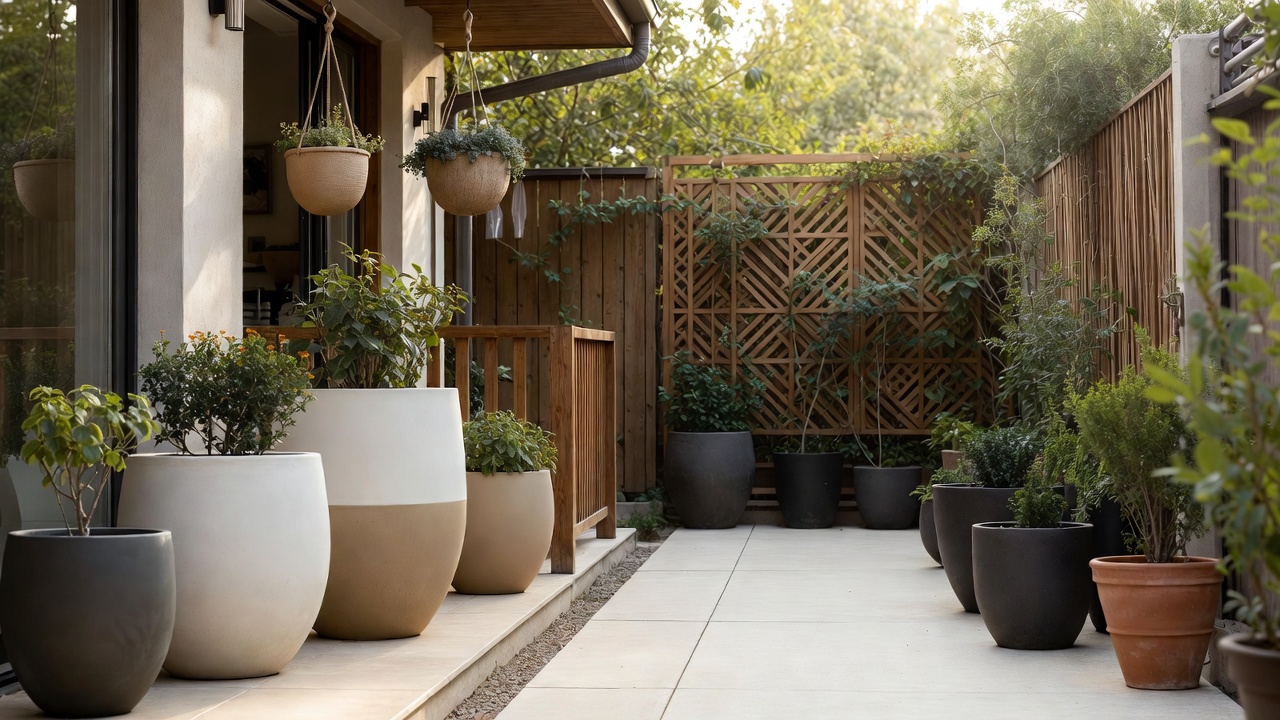
Modern vs Classic Garden Fencing: Which Is Best?

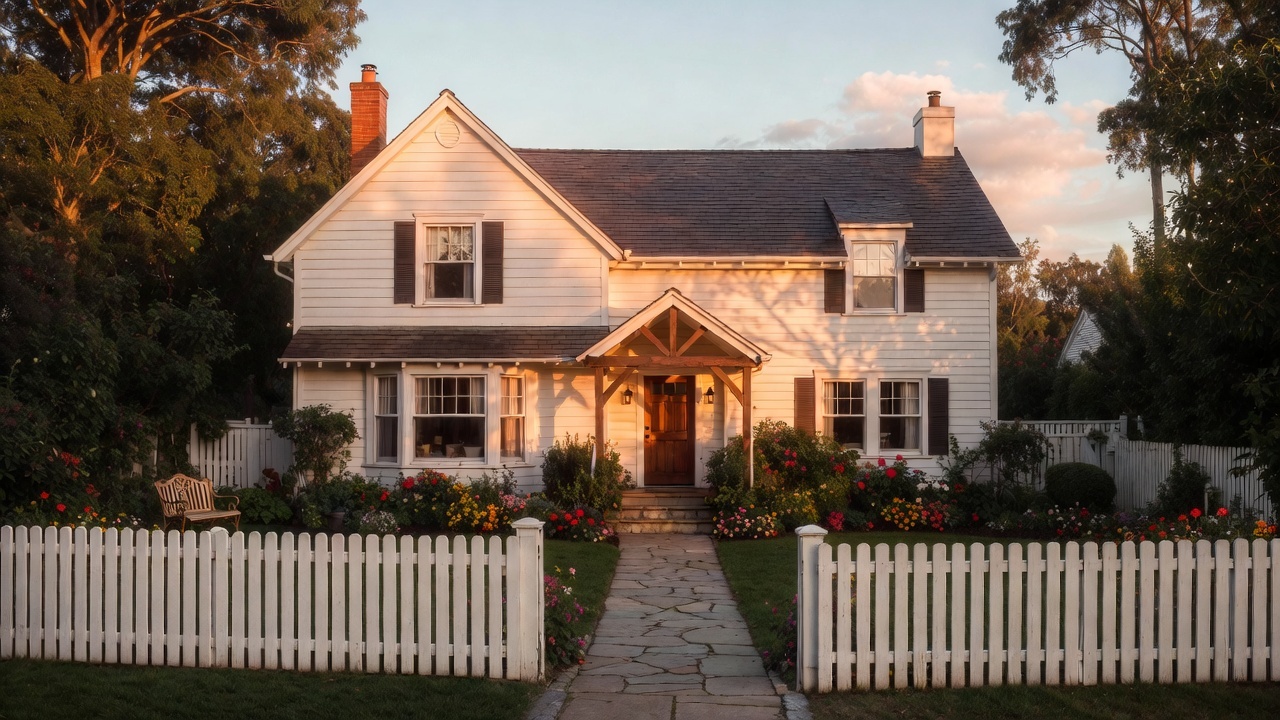
Modern vs Classic Garden Fencing: Which Suits Your Home?
Choosing the right garden fence is more than just marking your property line—it shapes your home’s character, boosts curb appeal, and enhances privacy. Whether you prefer sleek, contemporary lines or timeless charm, understanding the difference between modern garden fencing and classic garden fencing can help you make the right decision.
In this guide, we’ll compare both styles, explore popular materials, and help you determine which fence design best suits your home.
What Is Modern Garden Fencing?
Modern garden fencing focuses on clean lines, minimalism, and functionality. It complements contemporary homes with simple yet bold designs.
Key Features of Modern Fencing
- Horizontal slats instead of vertical panels
- Neutral colors like black, grey, and natural wood
- Mixed materials such as metal and composite
- Sleek finishes and geometric patterns
Many homeowners draw inspiration from contemporary architecture found in cities like London and New York City, where minimalist design dominates residential spaces.
Popular Materials for Modern Fences
- Composite panels
- Powder-coated aluminum
- Steel frames
- Natural cedar with horizontal alignment
Modern fencing is often low-maintenance, making it ideal for busy homeowners who want both style and practicality.
What Is Classic Garden Fencing?
Classic garden fencing embraces traditional designs that have stood the test of time. These fences are perfect for cottages, period homes, and properties with a rustic or heritage feel.
Key Features of Classic Fencing
- Vertical wooden panels
- Decorative tops and lattice details
- White or natural wood finishes
- Ornamental ironwork
Classic fencing styles are commonly seen in historic towns and countryside settings like Oxford and Charleston, where traditional architecture influences exterior design.
Popular Materials for Classic Fences
- Timber picket fencing
- Wrought iron
- Close-board wood panels
- Vinyl replicas of traditional designs
These fences create a warm, welcoming look and often enhance property value in traditional neighborhoods.
Comparing Modern and Classic Garden Fencing
1. Aesthetic Appeal
Modern fencing offers a sleek and bold appearance. It suits new builds, renovated homes, and minimalist landscapes.
Classic fencing, on the other hand, adds charm and character. It pairs beautifully with brick houses, cottages, and Victorian-style properties.
2. Maintenance Requirements
Modern materials like composite and aluminum typically require less upkeep. They resist weather damage and fading.
Classic wooden fences may require staining or painting over time to maintain their appearance.
3. Privacy and Security
Both styles can offer excellent privacy depending on design.
- Solid horizontal panels in modern fencing provide full privacy.
- Traditional close-board fences are equally secure but may appear more decorative.
4. Cost Considerations
Costs vary depending on material and installation. Modern fencing using composite or metal can have a higher upfront cost but lower long-term maintenance expenses.
Classic timber fencing is often more affordable initially but may require ongoing care.
How to Choose the Right Fence for Your Home
When deciding between modern and classic garden fencing, consider these factors:
1. Your Home’s Architecture
A contemporary home with large windows and sharp lines benefits from modern fencing. Traditional brick or stone homes look best with classic designs.
2. Neighborhood Style
Look around your area. Matching your fence to the surrounding properties ensures visual harmony and can increase resale value.
3. Maintenance Commitment
If you prefer a “set it and forget it” option, modern composite fencing may be ideal. If you enjoy maintaining natural wood, classic fencing offers timeless beauty.
4. Budget
Factor in installation costs, maintenance, and longevity before making your final decision.
Can You Combine Both Styles?
Absolutely. Many homeowners blend modern and classic elements for a transitional look. For example:
- A classic wooden fence painted in a modern charcoal shade
- Traditional vertical panels with sleek metal framing
- Contemporary horizontal slats paired with decorative posts
This hybrid approach allows you to personalize your garden fence while maintaining balance.
Final Thoughts
Both modern garden fencing and classic garden fencing offer unique benefits. Modern designs deliver clean lines, durability, and low maintenance, while classic styles provide timeless charm and character.
The best choice ultimately depends on your home’s architecture, personal taste, and long-term maintenance preferences. By understanding the strengths of each style, you can confidently select a garden fence that enhances your outdoor space and complements your property beautifully.