Bird Feeding and Care for Local Species: A Simple Guide for Everyday Bird Lovers

Introduction
Birds play an important role in our local ecosystems. They help control insects, spread seeds, and bring life to our gardens and outdoor spaces. Bird feeding and care for local species is not just a hobby, it is a simple way to support wildlife while enjoying nature up close.
With the right food, feeders, and basic care, anyone can create a safe and welcoming environment for local birds throughout the year.
Why Feeding Local Bird Species Matters
Local bird species are adapted to the climate and natural food sources of your region. However, urban development, seasonal changes, and limited green spaces can make food and shelter harder to find.
By offering proper bird feeding and care, you help:
- Support birds during food shortages
- Improve survival during harsh weather
- Encourage healthy breeding
- Maintain balance in the local ecosystem
Feeding birds responsibly strengthens the connection between people and nature.
Choosing the Right Bird Food
Different birds have different dietary needs. Offering suitable food ensures birds stay healthy and keeps unwanted pests away.
Common bird food options include:
- Seeds: Sunflower seeds attract sparrows, finches, and doves
- Grains: Millet and cracked corn are ideal for ground-feeding birds
- Nectar: Perfect for nectar-feeding birds in warmer regions
- Fruits: Apples and berries attract soft-billed birds
Avoid salty, spicy, or processed foods, as these can harm birds.
Selecting the Right Bird Feeder
Using the right feeder is just as important as choosing the right food. A good feeder keeps food clean, dry, and accessible.
Popular feeder types include:
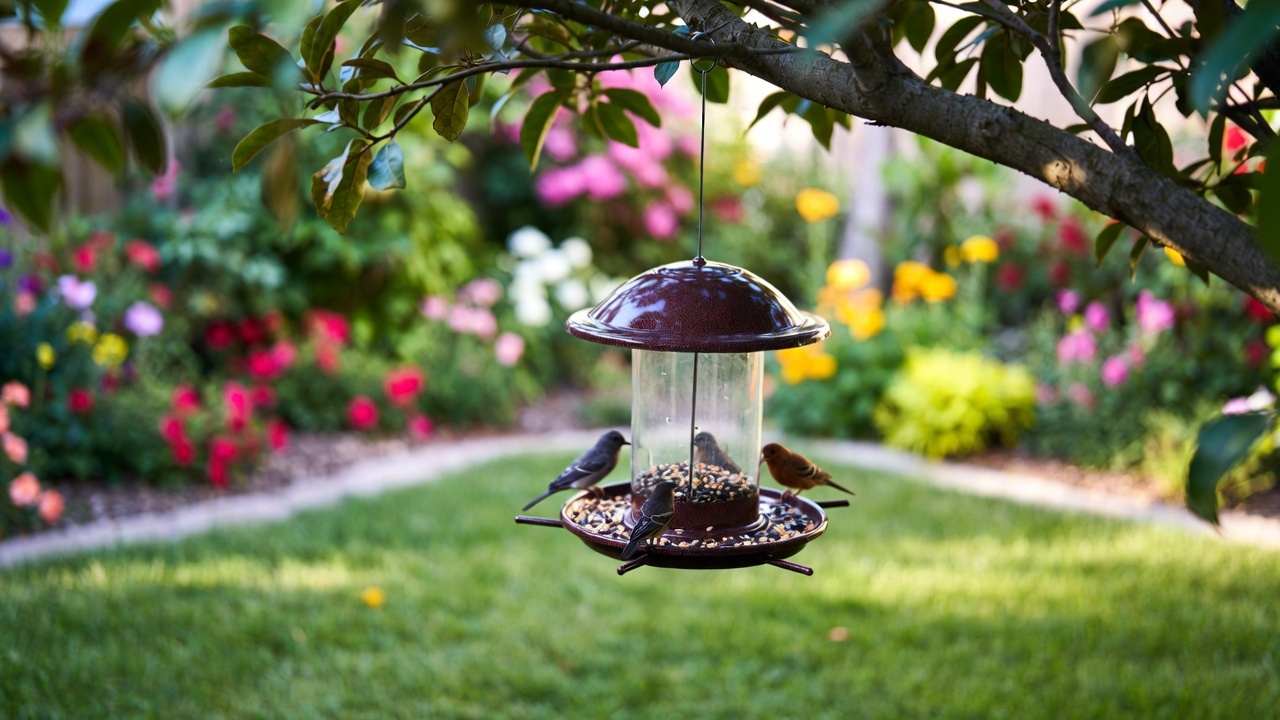
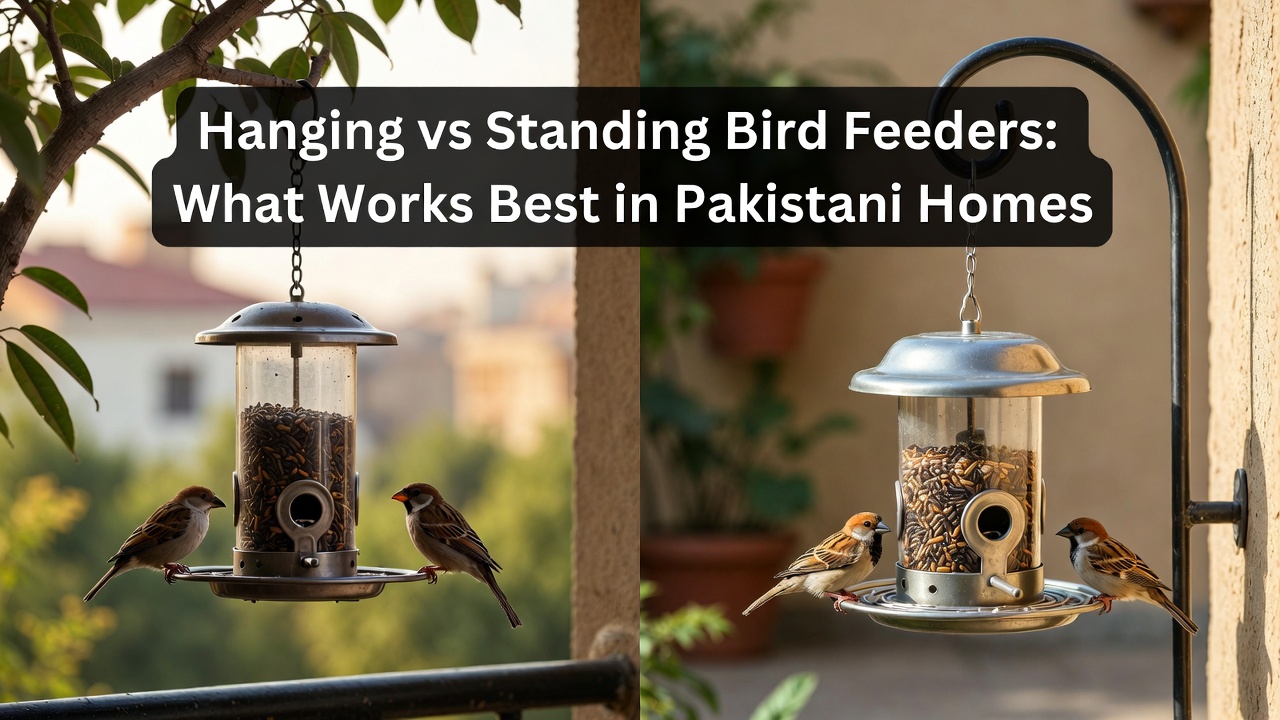
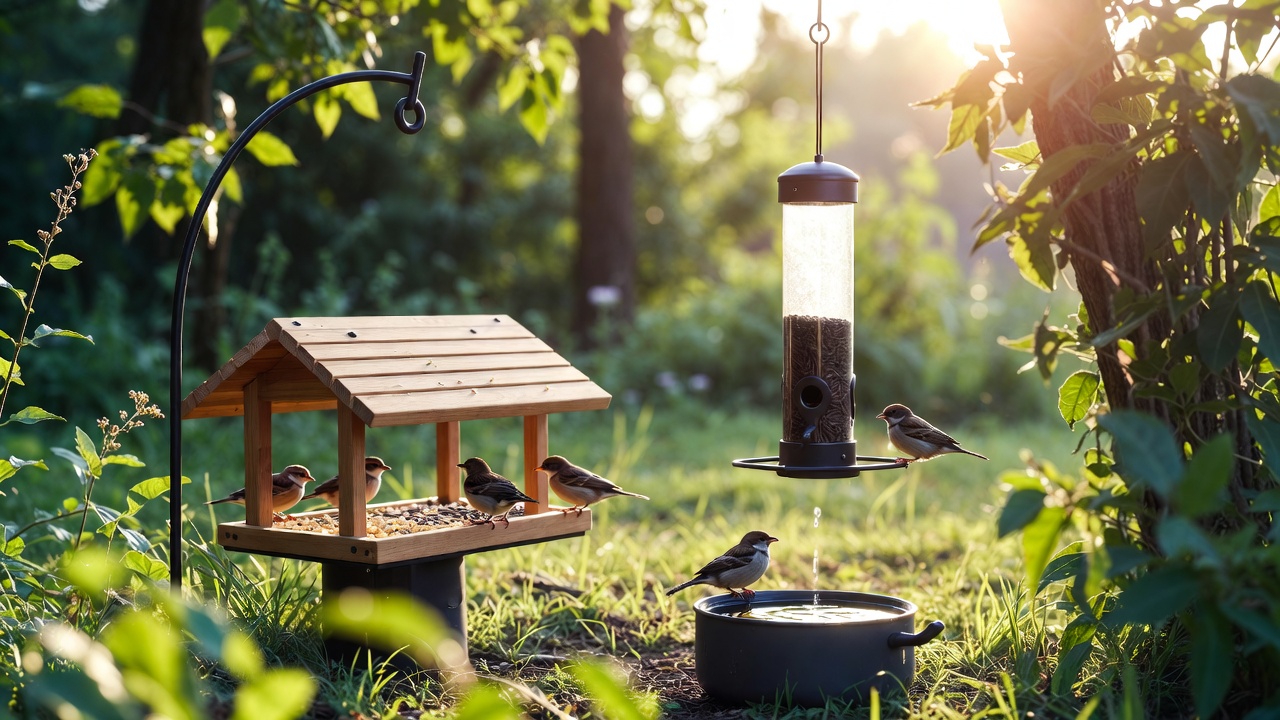
- Hanging feeders for small garden birds
- Platform feeders for mixed species
- Water feeders for drinking and bathing
Place feeders in quiet, shaded areas where birds feel safe and can easily escape predators.
Providing Clean Water
Fresh water is essential for bird feeding and care for local species. Birds use water for drinking and bathing, especially during hot or dry seasons.
Tips for water care:
- Change water daily
- Clean bowls regularly
- Place water in shallow containers
- Keep water sources shaded
Even birds that do not eat seeds will visit your garden for clean water.
Seasonal Bird Care Tips
Winter Care
Cold weather increases birds’ energy needs. Offer high-energy foods and keep feeders stocked. Ensure water does not freeze.
Summer Care
Heat and dehydration are major risks. Provide shaded feeders and fresh water. Avoid placing feeders in direct sunlight.
Breeding Season
Birds need extra nutrition. Offer natural foods and avoid disturbing nests.
Keeping Feeders Clean
Dirty feeders can spread disease among birds. Clean feeders every one to two weeks using mild soap and warm water. Let them dry completely before refilling.
Regular cleaning protects both birds and your garden environment.
Creating a Bird-Friendly Garden
Beyond feeders, small changes can make your space more inviting:
- Plant native trees and shrubs
- Avoid chemical pesticides
- Provide natural shelter
- Leave some fallen leaves for insects
These steps support birds naturally and reduce dependence on feeders alone.
Common Mistakes to Avoid
- Overfeeding without cleaning
- Using unsuitable food
- Placing feeders too close to predators
- Ignoring seasonal needs
Responsible bird feeding focuses on balance, not excess.
Conclusion
Bird feeding and care for local species is a rewarding way to support wildlife while enjoying nature at home. With the right food, clean feeders, fresh water, and simple care habits, you can make a real difference in the lives of local birds.
Small actions, done consistently, help create healthier bird populations and more vibrant outdoor spaces.